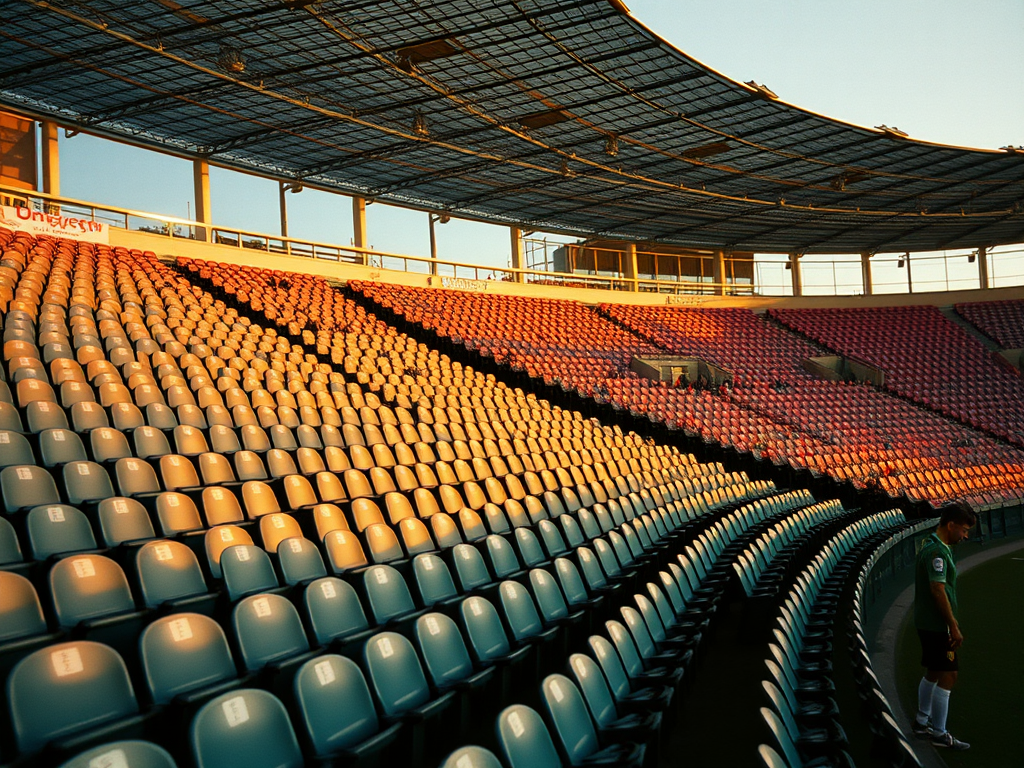
 SK Rapid Wien Hub
Tactical Adjustments for SK Rapid Wien's Form Revival
As SK Rapid Wien navigates through a challenging phase in the league, the tactical landscape of the team requires careful examination. Recent matches have highlighted both strengths and weaknesses, and a closer look at the tactical setup may provide the insights necessary for a turnaround.
Current Form Analysis
Rapid Wien has often relied on a 4-2-3-1 formation, which has served them well in various contexts. However, the consistent failure to convert possession into clear scoring opportunities indicates a need for a more dynamic approach. While the midfield has shown glimpses of creativity, it often appears congested and lacks the necessary fluidity to break down organized defenses.
In the attacking third, the reliance on isolated wing play has led to predictability. Opponents have begun to anticipate Rapid's movements, effectively nullifying their threats. Furthermore, the lack of support for the lone striker has compounded this issue, leaving the forwards isolated and frustrated.
Tactical Tweaks Suggested
1. Adopting a 4-3-3 Formation: Transitioning to a 4-3-3 formation could provide more width and allow for a more fluid attacking style. This structure would enable the wingers to push higher up the pitch, providing essential support for the striker, while also allowing for midfielders to join the attack. The increased presence in wide areas could stretch opposing defenses, creating more spaces for penetrative passes.
2. Encouraging Full-Back Involvement: The full-backs need to be more aggressive in overlapping runs. Currently, they tend to hold back, which limits width and allows opponents to concentrate their defensive efforts on the central area. Encouraging overlapping runs could open up space for wingers to cut inside, thereby increasing goal-scoring opportunities.
3. Midfield Rotation: Introducing a more dynamic midfield rotation can alleviate congestion and facilitate quicker transitions. By having the midfielders interchange positions frequently, they can create confusion among the opposition's defensive structure, making it easier to exploit gaps and create scoring chances.
4. Pressing Strategy: A more coordinated pressing strategy could be beneficial. Rapid Wien has shown moments of high pressing but lacks consistency in execution. Implementing a structured pressing system, where forwards and midfielders press in unison, could disrupt opponents' build-up play and create turnovers in advantageous areas of the pitch.
5. Utilizing a Target Man: If the current striker finds himself isolated frequently, employing a target man could provide a focal point for attacking plays. This player would not only hold up the ball but also enable midfielders to make late runs into the box, which would enhance goal-scoring opportunities from crosses and through balls.
Conclusion
The tactical adjustments suggested here aim to revitalize SK Rapid Wien's current form and enhance their competitive edge in the league. By embracing these changes, "Die Grün-Weißen" can look to regain momentum and once again become a formidable force in Austrian football. The journey ahead may be challenging, but with the right tactical mindset, there is every reason to believe that success is within reach.