 SK Rapid Wien Hub
Introduction
The current season has presented SK Rapid Wien with a mix of challenges and opportunities. While Die Grün-Weißen boast a rich history and a passionate fanbase, their recent form has raised questions about tactical effectiveness and player utilization. Analyzing their recent matches, we can identify several areas for improvement that could lead to a significant turnaround in their performance.
Current Tactical Analysis
In recent outings, SK Rapid Wien has predominantly utilized a 4-2-3-1 formation, which has its merits but also exposes certain vulnerabilities. The midfield duo, while solid in defense, often struggles to connect effectively with the attacking players. This leads to a lack of creativity in the final third, making it difficult for the forwards to capitalize on goal-scoring opportunities.
Moreover, the reliance on wing play has been predictable, with opposing teams easily adjusting their tactics to nullify threats from the flanks. The full-backs, while capable of overlapping runs, sometimes push too high up the pitch, leaving the center-backs exposed during counter-attacks. This imbalance has resulted in conceding goals that could have been avoided with more disciplined positioning.
Suggested Tactical Tweaks
1. Midfield Restructuring One of the first adjustments that should be considered is the restructuring of the midfield. Transitioning to a 4-3-3 formation could provide more fluidity and allow for better ball retention in the midfield. By introducing an additional central midfielder, SK Rapid Wien can enhance their ability to control the game and facilitate smoother transitions from defense to attack. This would not only support the forwards but also alleviate pressure on the backline.
2. Increased Positional Rotation Encouraging positional rotation among attacking players could further disrupt opposing defenses. Allowing wingers to cut inside and interchange with the central attacking midfielder could create more dynamic attacking patterns. This unpredictability would make it harder for defenders to mark players effectively, potentially opening up space for late runs from midfielders.
3. Defensive Cohesion and Communication Improving communication among the defensive unit is crucial. The center-backs need to work on their positioning and understanding with the full-backs to ensure that they are not left isolated during transitions. A more cohesive backline would reduce the number of goals conceded and build a solid foundation for the team to build upon.
Conclusion
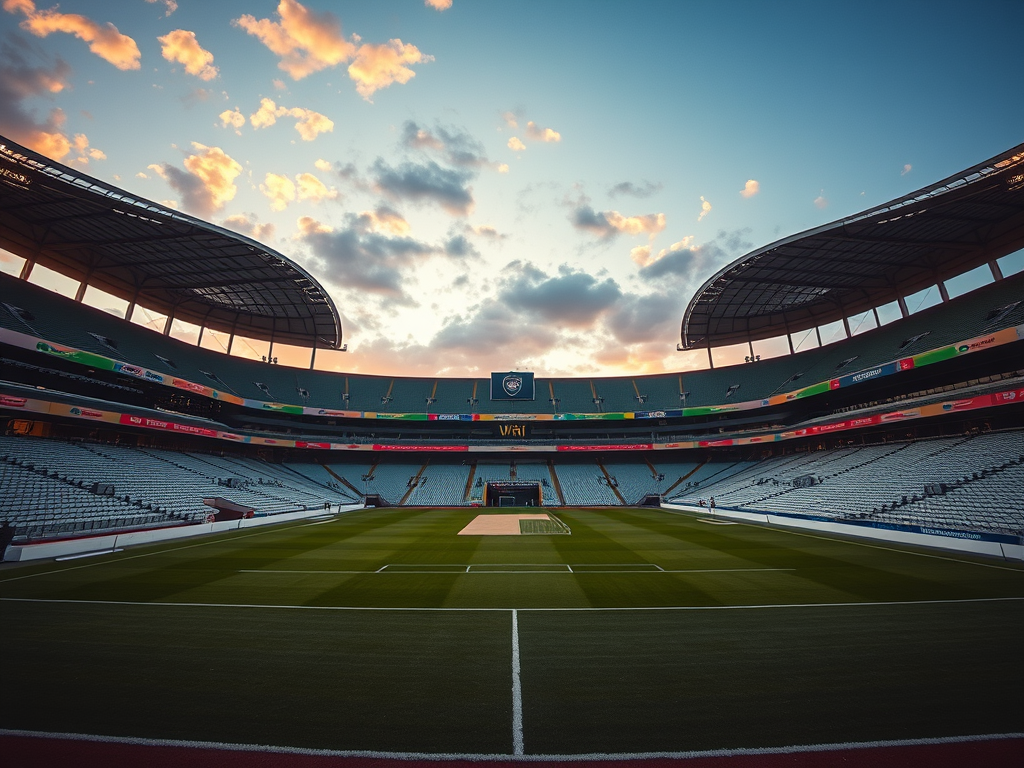
As SK Rapid Wien strives to regain their form, making these tactical adjustments could be the key to re-establishing their dominance in the league. Embracing a more fluid midfield, enhancing attacking versatility, and strengthening defensive communication will not only boost performance but also reignite the passion of the fans who fill the Stadium week after week. The path to recovery may require patience and experimentation, but the potential rewards are undoubtedly worth the effort.