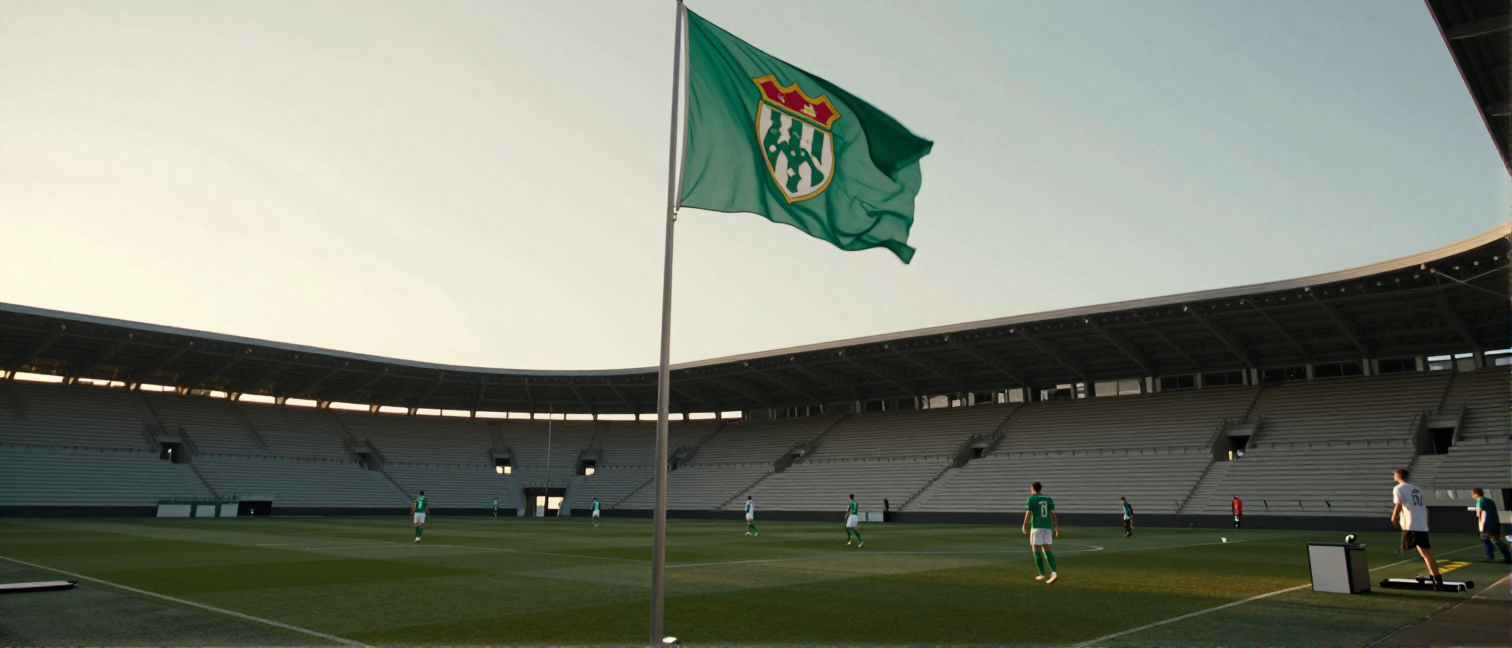
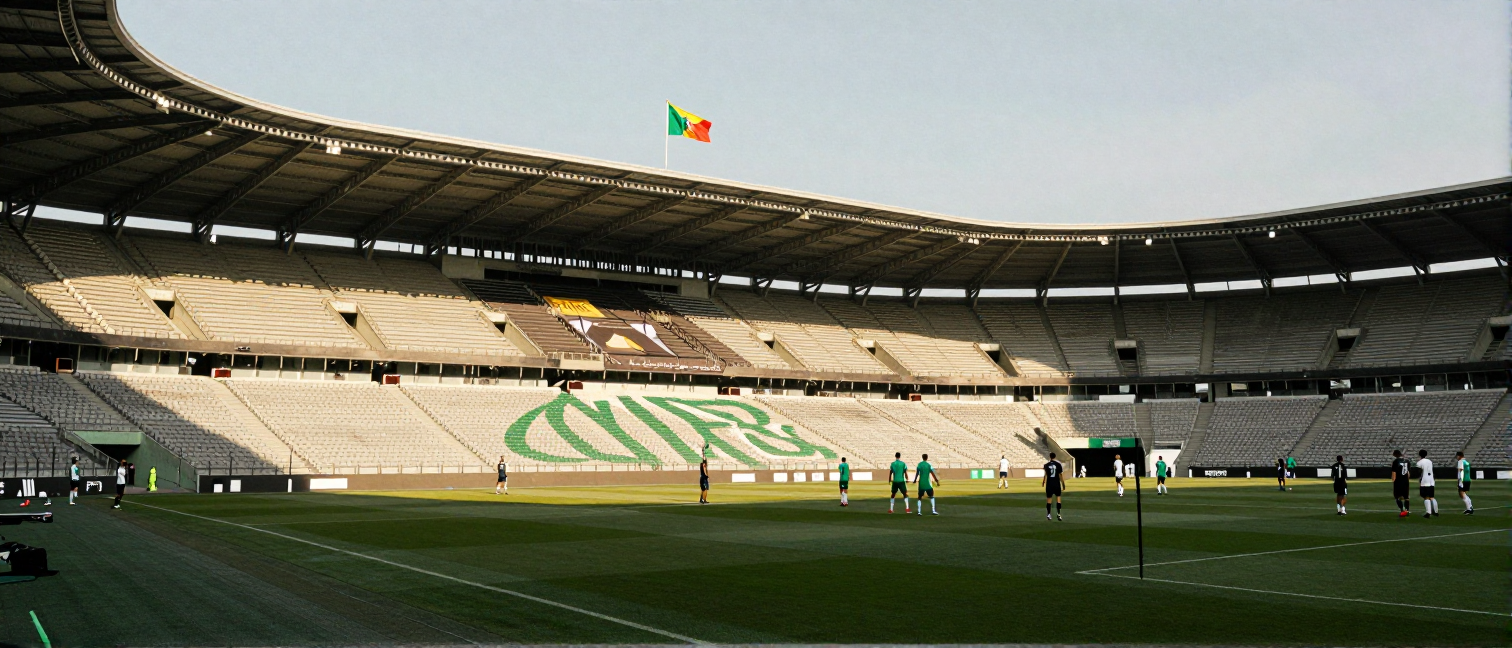
 SK Rapid Wien Hub
Tactical Overview of Recent Form
As the season progresses, SK Rapid Wien has showcased flashes of brilliance interspersed with moments of vulnerability. Their recent matches have highlighted a tactical framework that, while effective at times, has also revealed areas ripe for improvement. The team's typical 4-2-3-1 formation has often provided a solid base, allowing for both defensive stability and attacking creativity. However, a closer look at their recent games suggests that a few tactical tweaks could enhance their effectiveness on the pitch.
Midfield Dynamics
One of the standout issues in recent performances has been the midfield's ability to control the tempo and transition play. While the duo of E. Kara and J. Schöller has shown potential, their positioning often sees them too deep, limiting their impact in the attacking third. A potential adjustment could involve shifting to a 4-3-3 formation, where a dedicated attacking midfielder could link the play more effectively. This would allow for greater fluidity in attack, enabling the likes of S. Graf to exploit spaces between the lines while also providing defensive cover.
Width and Wing Play
Another area of concern has been the width of Rapid Wien's attack. The wingers, while talented, have at times been too isolated, leading to predictable patterns of play. Incorporating more overlapping runs from full-backs could stretch opposing defenses and create space for the wingers to operate. This tactic not only adds width but also brings additional players into the attacking phase, thus enhancing the overall dynamism of the team.
Defensive Cohesion
Defensively, Rapid Wien has shown resilience, yet there have been lapses in concentration that have cost them crucial points. The center-back pairing of T. Mühl and A. Ljubicic must work on their communication to ensure they maintain a cohesive line. Implementing a higher defensive line could also be beneficial, allowing the team to press opponents higher up the pitch and regain possession more rapidly. However, this comes with the risk of vulnerability to counter-attacks, so a cautious approach should be taken until the players are fully comfortable with this adjustment.
Set-Piece Strategy
Set-pieces have often been a mixed bag for Rapid Wien. While they possess height and physicality in the squad, the execution of set-piece plays has lacked creativity. A more structured approach to both attacking and defending set-pieces could yield dividends. Encouraging players to make decoy runs and varying the delivery could unbalance opposing defenses and create goal-scoring opportunities.
Conclusion
In summary, while SK Rapid Wien has shown potential in their recent matches, tactical adjustments could elevate their performance. By refining their midfield dynamics, enhancing width in attack, solidifying defensive cohesion, and improving set-piece strategies, Die Grün-Weißen can navigate the challenges ahead and position themselves favorably in the league. With the right tweaks, Rapid Wien can turn their potential into consistent results, rekindling the hopes of their passionate fanbase.