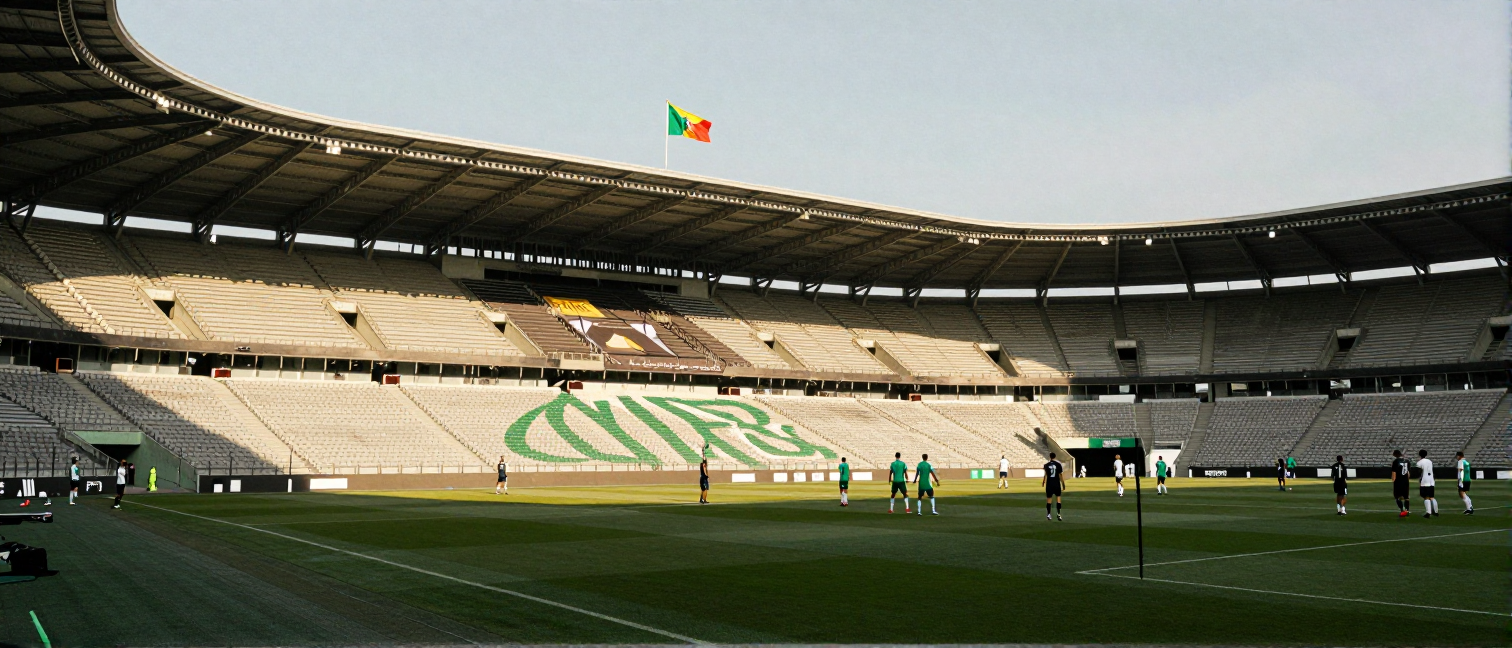
 SK Rapid Wien Hub
Analyzing Recent Form
In recent matches, SK Rapid Wien has showcased glimpses of brilliance but has struggled with consistency, particularly in crucial moments. The team's ability to control games has been hampered by lapses in concentration at the back and a lack of fluidity in their attacking play. These issues have been particularly evident in their encounters against pressing sides who exploit Rapid's vulnerability during transitions.
Key Tactical Observations
1. Defensive Structure: Rapid has often lined up in a 4-2-3-1 formation, which has provided a solid base. However, when facing teams that press aggressively, the double pivot sometimes gets overwhelmed, leading to gaps between the lines. A shift to a 4-3-3 could provide additional support in midfield, allowing for better ball retention and a more compact defensive shape.
2. Wing Play: The flanks have been a crucial area for Rapid, but their wingers have been too predictable at times. By encouraging more dynamic movement from the wide players and allowing them to cut inside, Rapid could create more scoring opportunities and stretch opposing defenses. This would also enable the full-backs to overlap more effectively, adding width and depth to the attack.
3. Pressing Strategy: Rapid has shown moments of high pressing but lacks coordination in executing it. Implementing a more structured pressing scheme could help regain possession higher up the pitch. Training sessions focusing on timing and angles for pressing can lead to more turnovers and quick transitions into attack.
Suggested Tactical Tweaks
1. Formation Change: Transitioning to a 4-3-3 formation could bolster midfield control while maintaining defensive solidity. This setup allows for more interplay between the central midfielders, facilitating quicker ball movement and better support for the forwards.
2. Midfield Rotation: Incorporating a rotational midfield strategy can enhance fluidity and unpredictability. Encouraging midfielders to interchange positions can confuse opponents and create space for the forwards to exploit.
3. Set-Piece Strategy: Rapid has struggled with set-pieces on both ends of the pitch. A dedicated focus on offensive set-pieces can maximize scoring chances while fortifying their defensive organization during opponent set-pieces. Training specific routines and rehearsing defensive assignments can greatly improve their effectiveness in these situations.
Conclusion
As SK Rapid Wien strives for a successful season, fine-tuning their tactical approach can lead to more consistent performances. By adopting a few strategic tweaks, the team can enhance their competitive edge, ensuring they remain a formidable force in the league and beyond.