 SK Rapid Wien Hub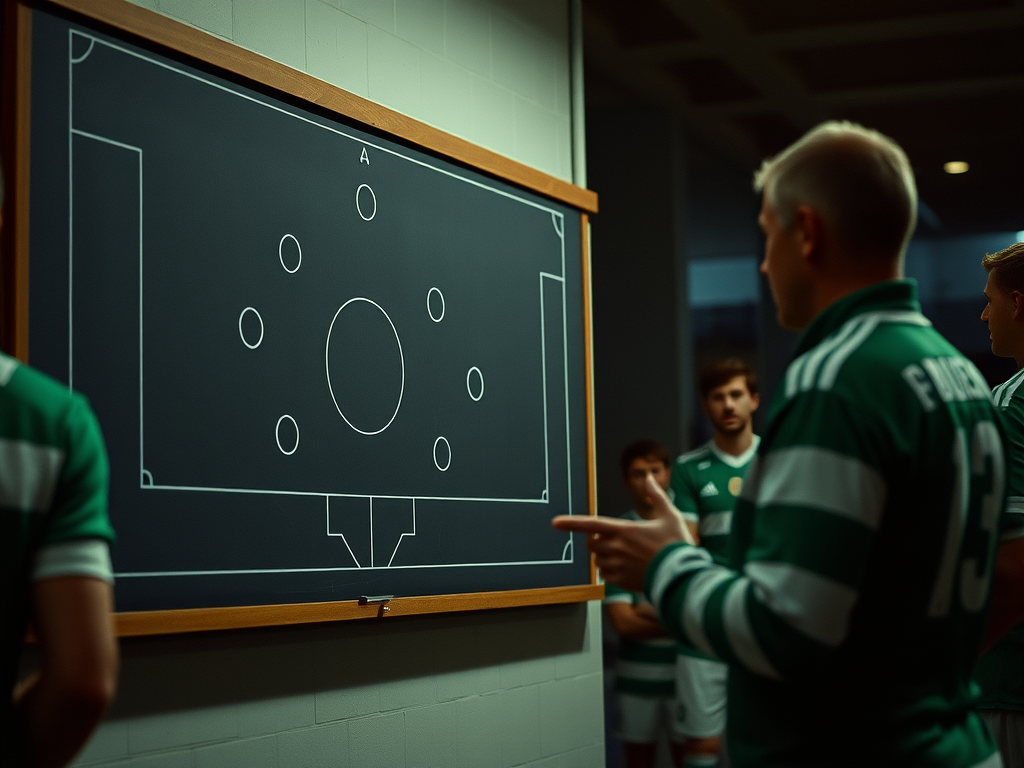
Introduction
In recent weeks, SK Rapid Wien has faced a series of challenges that have left fans and analysts alike questioning the tactical setup of the team. While the squad possesses undeniable talent and depth, the tactical execution has shown signs of inconsistency, particularly when facing teams that capitalize on Rapid’s defensive vulnerabilities. This article aims to explore the current formation, analyze the tactical shortcomings, and propose strategic tweaks that could help Die Grün-Weißen regain their competitive edge.
Current Tactical Setup
SK Rapid Wien has primarily employed a 4-2-3-1 formation this season, which provides a solid defensive base while allowing for a dynamic attacking structure. However, recent matches have highlighted a tendency for the team to become too predictable in their attacking movements. The reliance on wing play, primarily through the likes of the talented wingers, has often led to overcrowded flanks and limited options in the central areas.
Identifying Tactical Shortcomings
One notable issue has been the midfield's inability to transition quickly from defense to attack. The double pivot, while effective in breaking up opposition play, sometimes lacks the necessary creativity to distribute the ball effectively into the attacking third. This stagnation allows opposing defenses to settle, making it difficult for Rapid to create clear chances.
Additionally, the defensive line has shown vulnerability against quick counter-attacks, particularly when full-backs push forward. Opponents have exploited this by targeting the spaces left behind, leading to dangerous situations and goals conceded. The team’s high defensive line, while ambitious, requires the center-backs to possess exceptional pace and positioning, which has not always been the case.
Suggested Tactical Tweaks
To address these issues, a shift to a 4-3-3 formation could provide the necessary balance between defensive solidity and attacking fluidity. This formation would allow for a more dynamic midfield presence, facilitating quicker transitions and improving ball retention. The suggestion is to deploy a more creative midfielder in the central role, who can link play between the defense and attack effectively.
1. Adjusting the Midfield
By employing a three-man midfield, Rapid can introduce an additional playmaker who can take on more responsibility in creating chances. This adjustment would not only relieve pressure on the double pivot but also provide more passing angles and support for the forwards. A player like Marco Grüll could be utilized in this role, leveraging his technical skills and vision to unlock defenses.
2. Full-Back Responsibilities
It’s crucial for the full-backs to be more disciplined in their positioning, especially in transition phases. While the attacking contributions of players like Max Hofmann are invaluable, they must ensure that they do not leave the defense exposed. A slight tweak in their positioning, allowing them to hold back more during attacks, would help maintain defensive stability while still contributing to offensive play when appropriate.
3. Utilizing Width Effectively
Encouraging the wingers to cut inside more frequently could provide additional space for overlapping runs from the full-backs. This tactical adjustment would make the team less predictable and create more opportunities in the box. It would also force opposing defenses to adapt, potentially creating mismatches that Rapid can exploit.
Conclusion
As SK Rapid Wien continues to navigate the complexities of the league, implementing these tactical tweaks could prove essential in enhancing performance and securing crucial points. By reassessing their formation and making strategic adjustments, Die Grün-Weißen can not only address their current shortcomings but also reclaim their status as one of Austria's premier football clubs. The upcoming fixtures will be a litmus test for these proposed changes, and fans will be eager to see how the team responds on the pitch.