 SK Rapid Wien Hub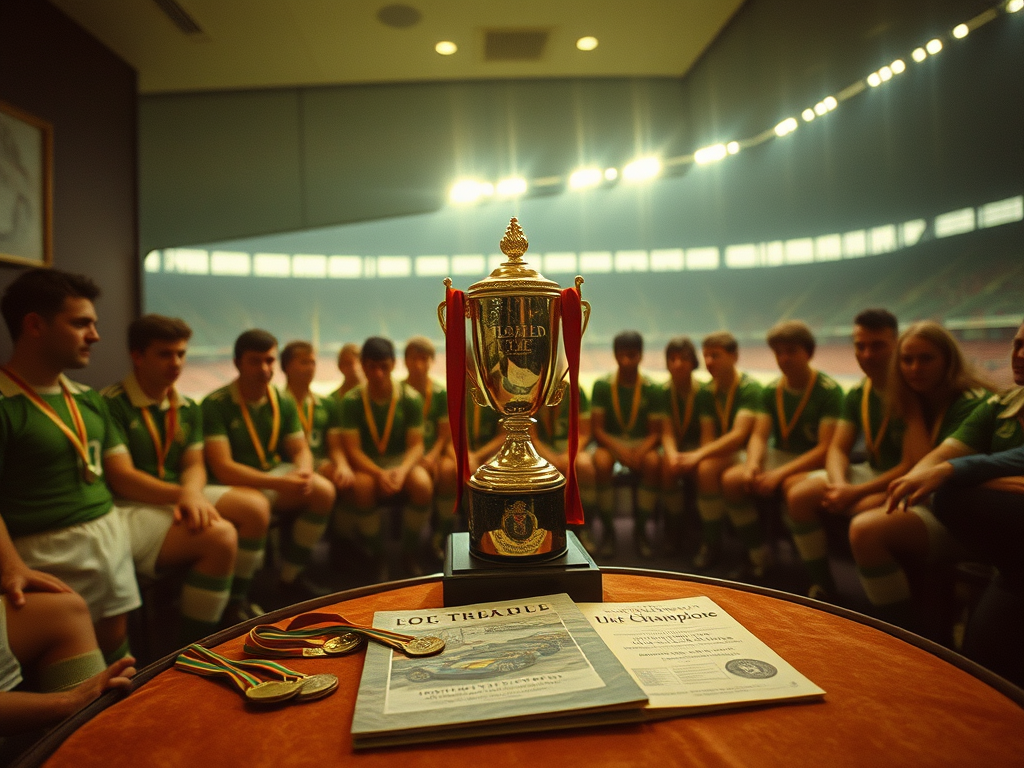
In the annals of football, certain seasons resonate more profoundly than others, and for SK Rapid Wien, the 1951 Austrian Championship stands as a testament to the club's unwavering spirit and competitive prowess. Amidst a backdrop of post-war recovery, the team emerged victorious, carving a path that would shape its future and deepen its roots in the hearts of Vienna's football enthusiasts.
The 1950s were a time of transformation for Austrian football, and SK Rapid Wien was at the forefront of this evolution. With a squad brimming with talent, including the likes of legendary players such as Franz 'Bimbo' Binder, Rapid Wien was not just a team; they were a symbol of hope and pride for the city of Vienna. The 1951 season was particularly noteworthy, as it marked the culmination of years of hard work and strategic planning for the club.
As the season unfolded, SK Rapid Wien showcased a blend of tactical sophistication and raw talent. Their style of play, characterized by fluid attacking movements and a resolute defense, captured the imagination of fans and instilled fear in their rivals. Each match became a showcase of not just skill, but also the team's remarkable cohesion, as players worked in unison to achieve a common goal — the championship title.
The decisive encounters during the 1951 campaign saw Rapid facing off against traditional rivals, most notably FK Austria Wien. These clashes were not merely matches; they were epic battles that defined the rivalry between the two clubs, electrifying the atmosphere in the stadium and drawing passionate crowds. The significance of these derbies transcended the pitch, as they represented the broader cultural and social dynamics of Vienna, with fans draped in green and white proudly supporting their team.
When the final whistle blew at the end of the season, SK Rapid Wien had secured the championship, marking their 13th title overall. This victory was not just a number; it was a powerful affirmation of the club's legacy and its capacity to rise above challenges. The triumph also sparked a renewed sense of camaraderie among the fans, who celebrated in unison, chanting and singing well into the night, solidifying their bond with the club.
Moreover, the 1951 championship laid the groundwork for future successes, as it inspired the club to continue striving for greatness in both domestic and European competitions. The achievements of that season became a source of pride for generations, instilling a sense of tradition and ambition within the club’s ethos.
In retrospect, the 1951 Championship was more than just a title for SK Rapid Wien; it was a reaffirmation of the club's identity and its connection to the city of Vienna. As the club continues to build on its storied history, the echoes of triumph from that unforgettable season still resonate, reminding fans and players alike of the enduring spirit of Die Grün-Weißen.